

BUILD SAFE. HOME SAFE
Every Person. Every Project. Every Day.
At OGL Construction®, safety is about more than policies, procedures and compliance.
It is about how we behave, the decisions we make and how we look after each other every day.
BUILD SAFE. is how we work.
HOME SAFE. is why we do it.
Everyone has a role in creating a safe working environment — from our directors and managers to our employees, supply chain partners, consultants and visitors.
Our objective is simple:
Everyone who comes onto an OGL project goes home safely at the end of every working day.
To achieve that, we expect four behaviours across every OGL workplace:
01 — PLAN IT SAFE.
02 — SEE IT. SAY IT.
03 — STOP IF IT’S NOT SAFE.
04 — LOOK AFTER EACH OTHER.
These aren’t slogans. They are the behaviours we expect whenever work is carried out in OGL’s name.
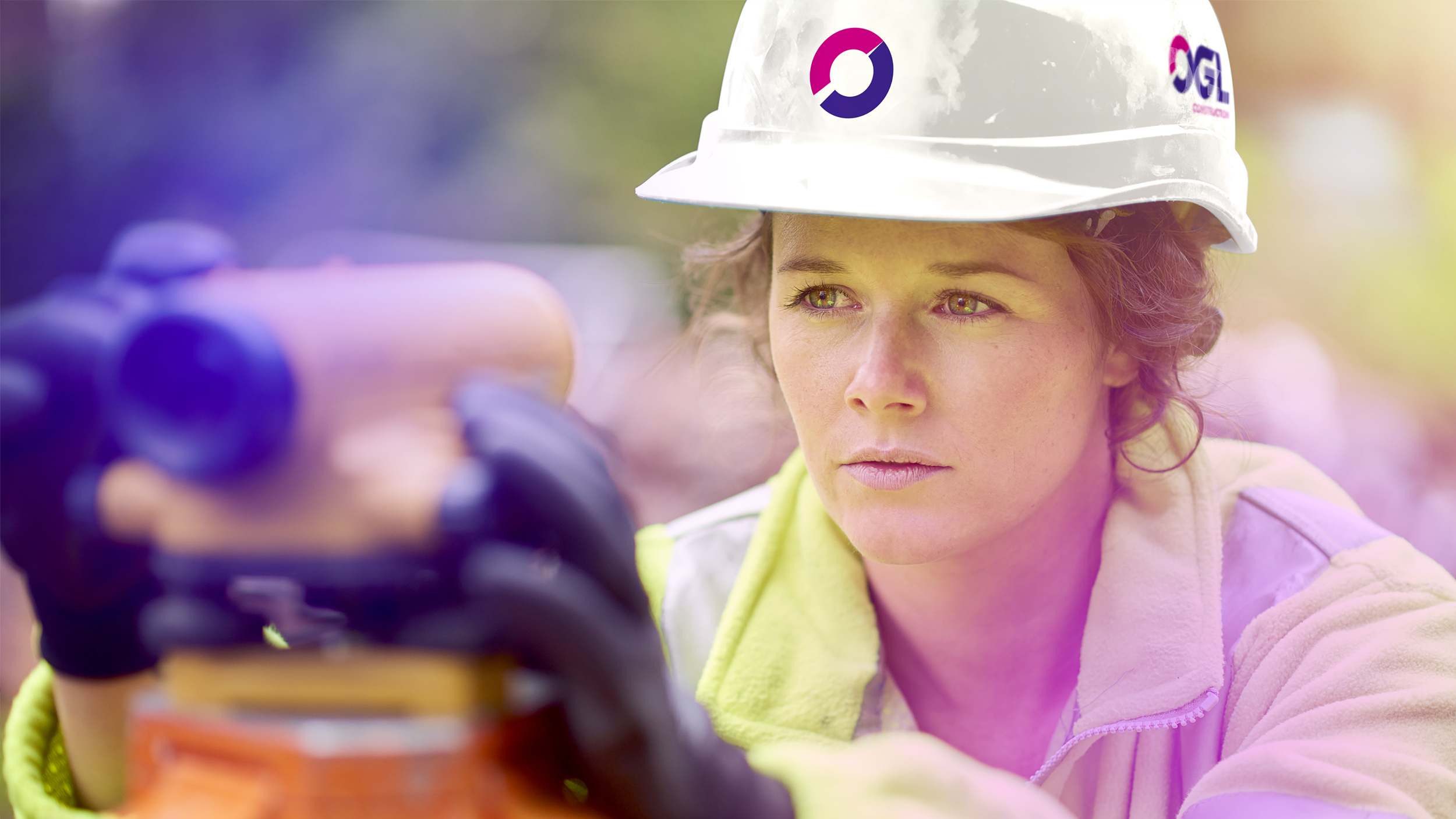
Safe work starts before the work starts.
Good safety begins with good planning.
Before work starts, we identify the hazards, understand the risks and establish how the work will be carried out safely.
The people carrying out the work should understand the plan, have the right information, competence, equipment and resources, and know what is expected of them.
Planning must also continue throughout the job. Construction changes, and when circumstances change, we reassess before continuing.
At OGL, this means:
- Design out or eliminate risk wherever reasonably practicable.
- Properly plan and coordinate work before it starts.
- Use competent people with the appropriate skills and experience.
- Ensure RAMS reflect the actual work and site conditions.
- Communicate the method of work to those carrying it out.
- Coordinate trades and activities so one person’s work does not create unnecessary risk for another.
- Consider access, logistics, temporary works, plant, lifting, interfaces and the surrounding environment.
- Review the plan whenever conditions or circumstances change.
Our rule:
IF THE WORK CANNOT BE CARRIED OUT SAFELY AS PLANNED, CHANGE THE PLAN — NOT THE STANDARD.
Programme pressure is never a reason to improvise unsafe work.
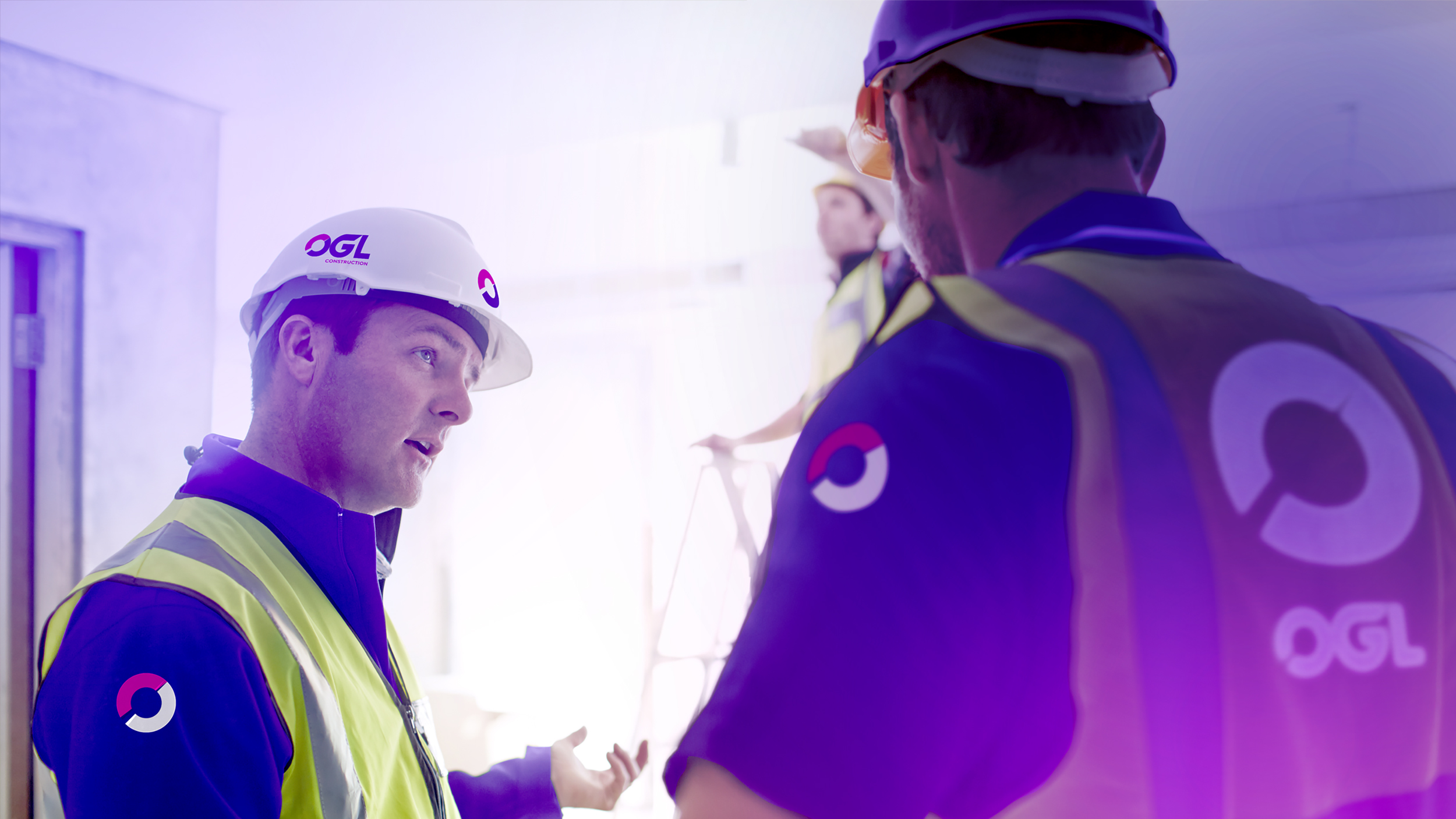
Don’t just walk by.
A strong safety culture depends on people being prepared to speak up.
If you see an unsafe condition, unsafe behaviour or something that simply doesn’t look right, don’t assume somebody else will deal with it.
Say something.
Where it is safe, appropriate and within your competence to do so, take action to prevent somebody being harmed. Make sure the issue is reported so that it can be properly addressed and, where appropriate, lessons can be shared.
This applies to everyone, regardless of job title, employer or position.
We expect everyone to:
- Report hazards and unsafe conditions.
- Report near misses — not hide them.
- Challenge unsafe behaviour respectfully.
- Correct straightforward issues where competent and safe to do so.
- Escalate matters they cannot resolve themselves.
- Recognise and reinforce good safety behaviour.
- Never ignore something simply because it is outside their own work area.
- Never assume somebody else will report it.
Reporting a hazard or near miss is positive safety behaviour.
It gives us an opportunity to act before somebody gets hurt.
Our rule:
WHAT WE WALK PAST BECOMES THE STANDARD WE ACCEPT.
At OGL, we don’t walk past.
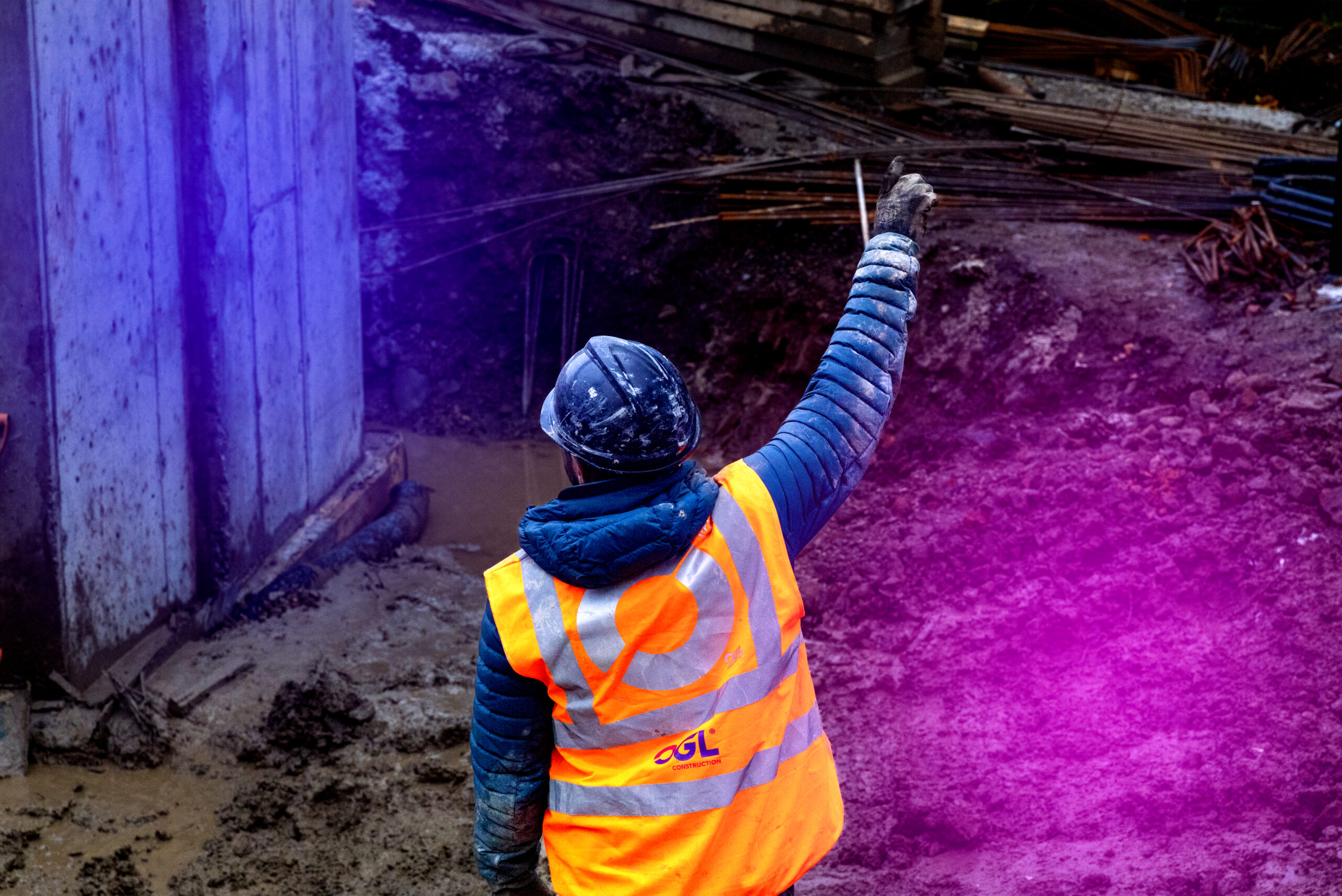
If in doubt, stop.
Everyone working on an OGL project has the authority to STOP WORK where they genuinely believe there is an immediate safety concern.
You do not need to be a manager.
You do not need to wait for somebody else to intervene.
And you will not be criticised for stopping work because of a genuine safety concern.
Stop and reassess if:
- Conditions have changed.
- The agreed method cannot be followed.
- Something doesn’t look or feel right.
- Safety controls are missing or ineffective.
- The correct equipment isn’t available.
- You don’t understand the task or instruction.
- Someone could be put at risk.
- You aren’t confident the work can continue safely.
Stopping work does not necessarily mean stopping the whole project. It means taking control of the situation before somebody gets hurt.
STOP. MAKE SAFE. ASK.
Once the immediate danger is controlled, involve the appropriate supervisor or manager, reassess the work and agree a safe way forward.
Our rule:
NO PROGRAMME, COST OR COMMERCIAL PRESSURE JUSTIFIES COMPROMISING SAFETY.
We would rather explain why work stopped than explain why somebody was injured.
Safety isn’t somebody else’s job.
Construction is a team environment.
We expect everyone on an OGL project to consider not only their own safety, but also the people working around them.
That means being aware of how your actions affect others, speaking up when something isn’t right and helping create an environment where people are comfortable asking questions.
At OGL, we:
- Look out for the people working alongside us.
- Welcome and support new starters.
- Make sure visitors understand site requirements.
- Communicate when our work could affect another trade.
- Challenge unsafe behaviour respectfully.
- Listen when somebody challenges us.
- Recognise good practice.
- Maintain good housekeeping and working environments.
- Treat people with respect.
- Never ridicule somebody for asking a safety question or raising a concern.
Everyone should be able to go to work without feeling that they have to take a risk to get the job done.
Our rule:
WE BUILD SAFELY TOGETHER.
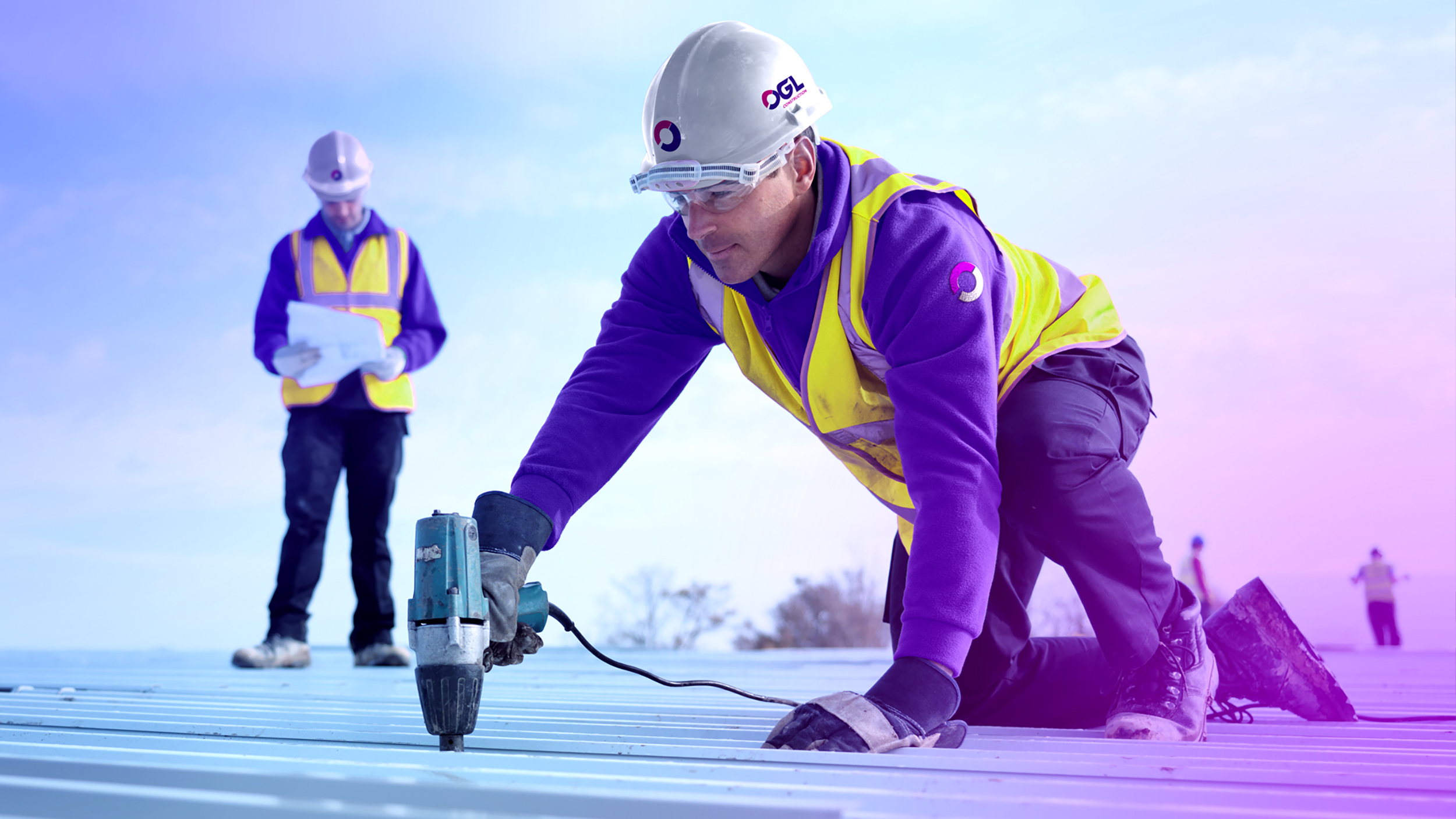
The standard starts with us.
Safety culture is created by what leaders do, not simply what policies say.
Our directors, managers and supervisors are expected to demonstrate the behaviours we expect from everyone working with OGL.
That means being visible, listening, challenging poor standards and recognising good ones.
It also means making the right decision when there is pressure on programme or cost.
OGL leaders are expected to:
- Lead by example.
- Set clear expectations.
- Provide sufficient time and resources to work safely.
- Engage with the people actually carrying out the work.
- Encourage questions and challenge.
- Act on concerns raised.
- Recognise positive safety behaviour.
- Investigate incidents and near misses to learn, not simply to blame.
- Never knowingly accept an unsafe standard.
- Support anyone who stops work because of a genuine safety concern.
People notice what leaders tolerate.
If management walks past a poor standard, we cannot expect anyone else to believe that standard matters.
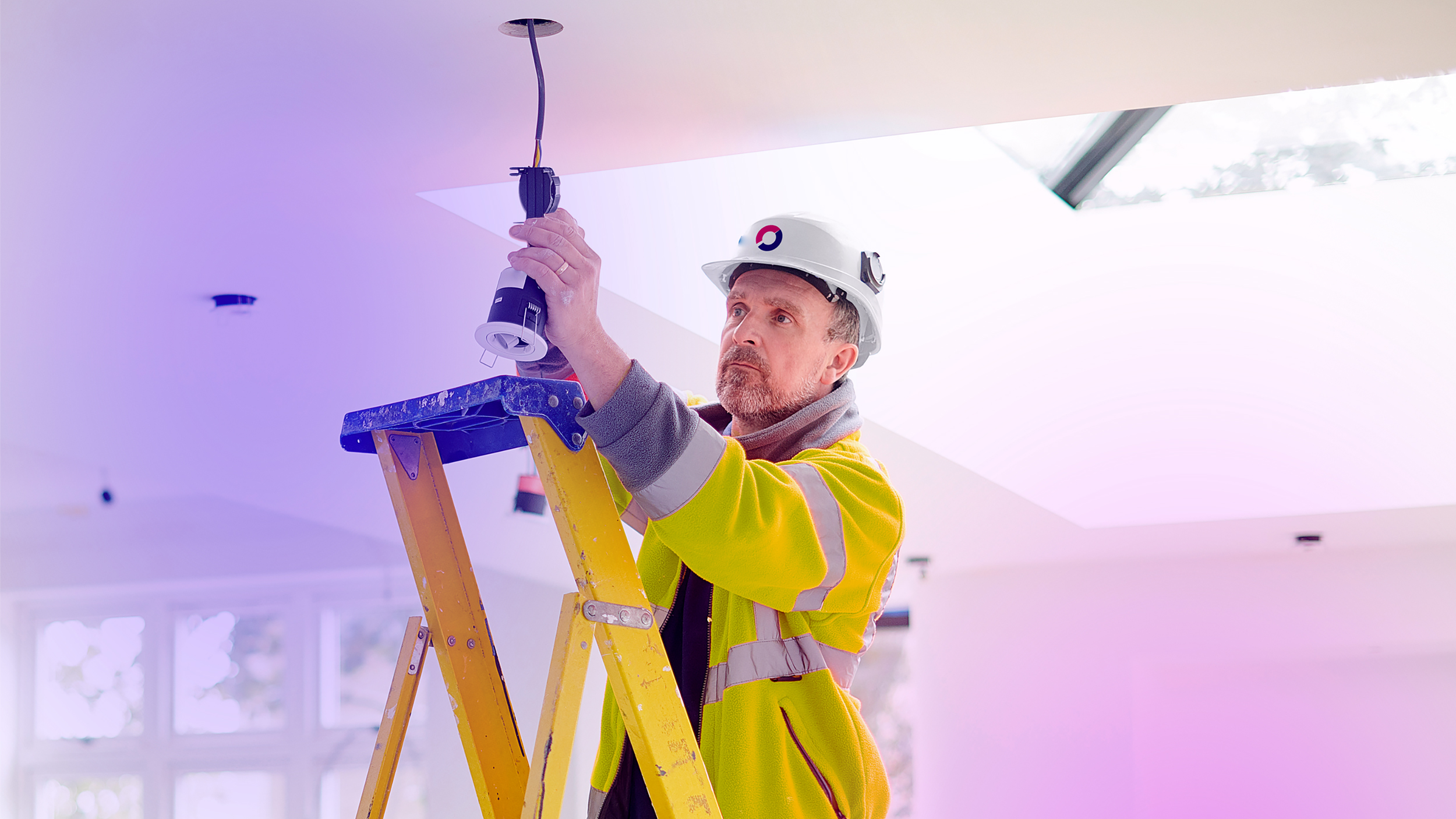
One project. One standard.
Our safety culture applies to everyone working on an OGL project.
We expect our subcontractors and supply chain partners to share the principles of BUILD SAFE. HOME SAFE.™ and actively contribute to the safety of our projects.
Working safely is not simply a condition of working for OGL — it is part of the relationship we expect to have with our supply chain.
We expect our partners to:
- Properly plan their work.
- Provide competent people and effective supervision.
- Engage openly with OGL site management.
- Raise concerns early.
- Report hazards and near misses.
- Challenge unsafe conditions.
- Stop when something isn’t safe.
- Learn from incidents and share lessons.
- Look after other people on the project, not just their own workforce.
Different company names. Same safety standard.
We can’t improve what we don’t know about.
Incidents, near misses, hazards and observations provide opportunities to learn.
We want people to report them.
Our first question should not simply be “Who was responsible?”
It should be:
“What happened, why did it happen and what can we do to prevent it happening again?”
Where lessons are identified, they should be communicated across the business so that one project’s experience can improve every OGL project.
We recognise good practice too.
Safety culture shouldn’t only become visible when something goes wrong.
Behind every person on an OGL project is a life outside work.
Families. Partners. Children. Friends. People expecting them home.
That is why we plan properly.
That is why we don’t walk by.
That is why we speak up.
That is why we stop when something isn’t safe.
That is why we look after each other.
Policies, procedures, inspections and statistics are important — but they are not the ultimate measure of our safety culture.
Our measure is simpler:
EVERY PERSON.
EVERY PROJECT.
EVERY DAY.
BUILD SAFE. HOME SAFE.™